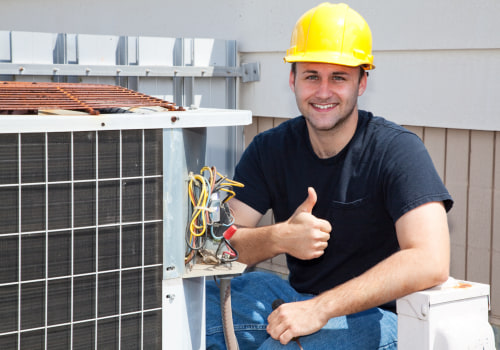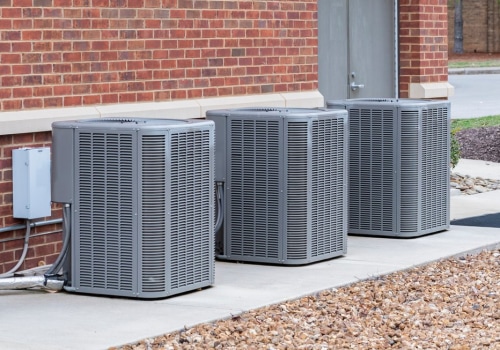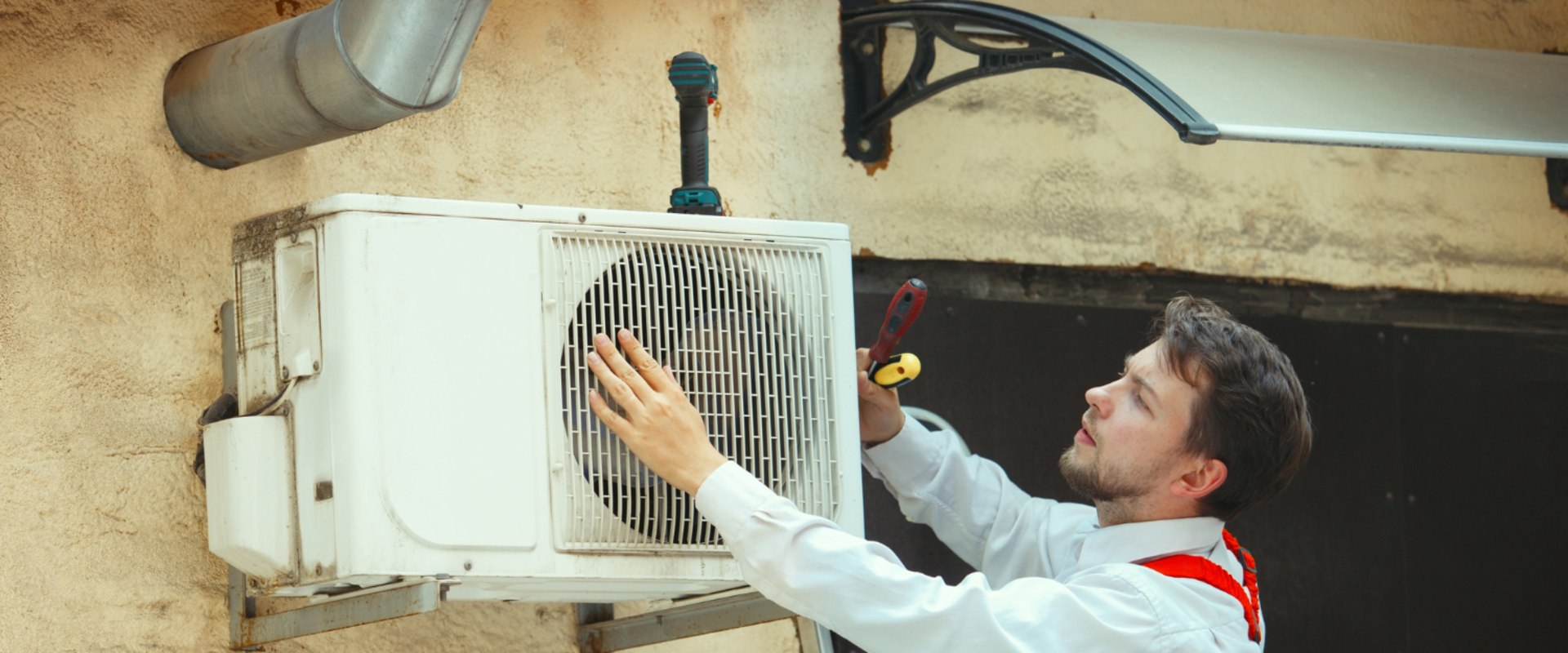
Understanding HVAC systems is essential for any homeowner contemplating a DIY air conditioner installation. HVAC, which stands for Heating, Ventilation, and Air Conditioning, encompasses a range of technologies designed to regulate indoor environments. These systems not only provide cooling during the sweltering summer months but also ensure warmth in the winter, making them a year-round necessity for comfort. Familiarizing yourself with the various components and types of air conditioners will empower you to make informed decisions about your installation project.There are several types of air conditioning systems available, each with its unique features and benefits.
The most common types include window units, split systems, central air conditioning, and portable air conditioners. Window units are compact and ideal for single rooms, while split systems consist of an outdoor compressor and an indoor unit, providing efficient cooling for larger spaces. Central air conditioning systems are designed to cool entire homes through a network of ducts, making them suitable for larger residences. Lastly, portable air conditioners offer flexibility and can be moved from room to room as needed.Understanding how these systems work is crucial for successful installation.
At their core, HVAC systems operate by transferring heat from one area to another. In cooling mode, the system absorbs heat from inside your home and releases it outside, utilizing refrigerants to facilitate this process. The efficiency of your HVAC system depends on various factors, including proper sizing, installation quality, and regular maintenance. By grasping these fundamentals, you will be better equipped to tackle the installation of your air conditioning unit and ensure optimal performance throughout its lifespan.
Preparing for Your Air Conditioner Installation
Before diving into the installation of HVAC systems, it’s crucial to prepare adequately to ensure a smooth and successful process.Proper preparation not only saves time but also enhances safety and efficiency during the installation.
1.Assess Your Home’s Suitability
Start by evaluating the area where you plan to install the air conditioning unit. Consider the following:
- Window Condition: If you’re installing a window unit, check that the window frame is sturdy and free from rot or damage. It should be able to support the weight of the air conditioner.
- Room Size: Ensure that the room is suitable for the size of the air conditioning unit you intend to install. An undersized unit will struggle to cool effectively, while an oversized one may lead to inefficient energy use.
- Electrical Supply: Verify that your electrical system can handle the additional load.
You may need a dedicated circuit for larger units.
2.Gather Necessary Tools
Having the right tools on hand can make your installation process much smoother. Here’s a list of essential tools you’ll need:
- Screwdriver Set: Both flathead and Phillips screwdrivers are necessary for securing brackets and panels.
- Drill: A power drill will help you make holes for mounting brackets if needed.
- Level: To ensure your unit is installed evenly, a level is crucial.
- Tape Measure: Accurate measurements are vital for proper fitting.
- Pliers: Useful for bending or cutting wires as needed.
- Safety Gear: Don’t forget gloves and safety goggles to protect yourself during installation.
3.Safety Precautions
Your safety should always be a priority when undertaking any DIY project. Here are some precautions to keep in mind:
- Turn Off Power: Before starting, ensure that the power supply to the area is turned off to prevent any electrical accidents.
- Read Instructions: Familiarize yourself with the manufacturer’s installation manual. Each unit may have specific requirements that must be followed for safe operation.
- Lifting Techniques: Air conditioning units can be heavy.
Use proper lifting techniques or ask for assistance to avoid injury.
Choosing the Right Air Conditioner for Your Home
Choosing the right air conditioner for your home is crucial for achieving optimal comfort and energy efficiency. With a variety of options available, understanding how to select the best unit tailored to your needs can make a significant difference in your indoor climate.Understanding Air Conditioner Types
Before diving into specifics, it’s essential to know the different types of air conditioners:- Window Units: Ideal for single rooms, these units are easy to install and remove.
- Portable Air Conditioners: These are versatile and can be moved from room to room, but they may require venting through a window.
- Central Air Conditioning: Best for cooling entire homes, this system uses ducts to distribute cool air.
- Ductless Mini-Split Systems: These are efficient for homes without ductwork and allow for zoning in different areas.
Sizing Your Air Conditioner
One of the most critical factors in selecting an air conditioner is ensuring it is appropriately sized for your space. An undersized unit will struggle to cool your home, while an oversized unit will cycle on and off too frequently, leading to inefficiency and discomfort. To determine the right size, consider the following:- Calculate the Square Footage: Measure the area of the room or home you wish to cool.
- Consider Ceiling Height: Higher ceilings may require additional cooling capacity.
- Evaluate Insulation Quality: Well-insulated homes retain cool air better than poorly insulated ones.
- Account for Sun Exposure: Rooms with large windows or those facing direct sunlight may need more cooling power.
Energy Efficiency Ratings
When selecting an air conditioner, pay attention to its energy efficiency ratings.The Seasonal Energy Efficiency Ratio (SEER) measures how efficiently a cooling system operates over a typical cooling season. A higher SEER rating indicates better energy efficiency, which can lead to lower utility bills. Look for units with a SEER rating of at least 14 or higher for optimal performance.Additionally, consider models that are ENERGY STAR certified, as they meet strict energy efficiency guidelines set by the U. S.
Environmental Protection Agency. Investing in an energy-efficient air conditioner not only benefits your wallet but also contributes to environmental sustainability.In conclusion, selecting the right air conditioner involves understanding your space's needs, ensuring proper sizing, and prioritizing energy efficiency. By taking these factors into account, you can enjoy a comfortable living environment while minimizing energy costs.
Step-by-Step Guide to Installing Your Air Conditioner
Installing an air conditioner can seem daunting, but with a clear step-by-step guide, you can tackle this project with confidence. Below is a comprehensive outline to help you through the installation of HVAC systems, specifically focusing on air conditioners.- Gather Your Tools and Materials:
- Air conditioning unit
- Mounting brackets (if required)
- Screwdriver (Phillips and flathead)
- Drill with bits
- Level
- Tape measure
- Safety goggles and gloves
- Select the Right Location: Choose a window or space that is structurally sound and can support the weight of the unit.
Ensure it is close to a power outlet and has proper drainage for condensation.
- Prepare the Window: If installing in a window, remove any screens and clean the area. Check that the window frame is sturdy and free from rot or damage.
- Install Mounting Brackets: Follow the manufacturer’s instructions to attach the mounting brackets securely. Use a level to ensure they are straight, as this will affect the unit's performance.
- Position the Air Conditioner: With assistance, lift the air conditioning unit into place. Make sure it sits evenly on the brackets and is tilted slightly outward for proper drainage.
- Secure the Unit: Use screws to fasten the air conditioner to the brackets.
Ensure it is tightly secured to prevent any movement during operation.
- Seal Gaps: Use weather stripping or foam insulation to seal any gaps between the unit and window frame. This will improve energy efficiency and prevent air leaks.
- Connect Power Supply: Plug in your air conditioner to a dedicated outlet. Avoid using extension cords as they can pose safety hazards.
- Test Your Installation: Turn on your air conditioner and check for proper operation. Listen for unusual noises and ensure that cool air is circulating effectively.
- Neglecting Safety Precautions: Always wear safety gear and ensure that you have someone to help lift heavy units.
- Poor Sealing: Failing to seal gaps can lead to energy loss and reduced efficiency.
- Incorrect Leveling: An unlevel unit can cause improper drainage, leading to water damage or mold growth.
Remember, taking your time and double-checking each step will help you avoid common pitfalls associated with DIY installations.
Connecting Electrical Components Safely
When it comes to the installation of HVAC systems, ensuring safe and effective electrical connections is paramount. An air conditioning unit requires a reliable power source to function correctly, and improper connections can lead to malfunctions or even hazardous situations. Here are some essential guidelines to follow when connecting the electrical components of your air conditioner.Understanding Circuit Requirements
Before you begin, it’s crucial to understand the electrical requirements of your specific air conditioning unit. Most units will have a label indicating the voltage and amperage needed for operation.Typically, residential air conditioners operate on either 120V or 240V circuits. Ensure that your home’s electrical system can accommodate these requirements:
- Voltage: Check if your unit requires 120V or 240V. This will determine the type of circuit you need.
- Amperage: The amperage rating will dictate the size of the circuit breaker and wiring needed. Most units will require a dedicated circuit.
Safety Tips for Electrical Work
Working with electricity can be dangerous if proper precautions are not taken.Here are some safety tips to keep in mind:
- Turn Off Power: Always turn off the power at the circuit breaker before starting any electrical work. This prevents accidental shocks.
- Use Proper Tools: Ensure you have insulated tools and wear rubber-soled shoes to minimize the risk of electric shock.
- Check for Grounding: Make sure that your air conditioning unit is properly grounded to prevent electrical surges.
Connecting the Unit
Once you have confirmed that your circuit meets the necessary requirements and have taken safety precautions, you can proceed with connecting your air conditioning unit:- Run Electrical Wiring: Use appropriate gauge wire as specified in your unit’s manual. For most residential units, 10 or 12-gauge wire is common for 240V circuits.
- Install a Disconnect Switch: A disconnect switch should be installed within sight of the unit for easy access in case of emergencies.
- Connect Wires: Follow the manufacturer’s instructions carefully when connecting wires from the unit to the power supply. Typically, this involves connecting black (hot), white (neutral), and green or bare (ground) wires.
- Secure Connections: Ensure all connections are tight and secure to prevent arcing or overheating.
Once everything is secure, turn on the circuit breaker and test your air conditioning unit to ensure it operates correctly. By following these guidelines, you can safely connect your air conditioner to your home’s electrical system, ensuring both functionality and safety.
Testing Your Air Conditioner After Installation
Once you have successfully installed your air conditioner, it’s crucial to test the unit to ensure it operates efficiently and effectively. Proper testing not only confirms that the installation was successful but also helps identify any potential issues that may need addressing.Step 1: Initial Power Check
- Before turning on the air conditioner, double-check all electrical connections to ensure they are secure and correctly wired.
- Make sure the thermostat is set to a lower temperature than the current room temperature.
- Turn on the power supply and switch on the air conditioning unit.
Step 2: Observe the Airflow
- Stand near the air vents and feel for airflow. The air should be cool and consistent.
- If the airflow is weak or non-existent, check for blockages in the ducts or filters.
- Ensure that all vents are open and unobstructed by furniture or other objects.
Step 3: Monitor Temperature Changes
- Allow the unit to run for at least 15-30 minutes.
Use a thermometer to measure the temperature of the air coming from the vents.
- The air should be significantly cooler than the ambient room temperature, typically around 20 degrees Fahrenheit lower.
Troubleshooting Common Issues
If you encounter any problems during your testing, here are some troubleshooting tips:
- No Cool Air: Check if the thermostat is set correctly. Ensure that the air filter is clean and not clogged. If these are fine, inspect the refrigerant levels; low refrigerant may require professional assistance.
- Strange Noises: Unusual sounds can indicate loose parts or debris in the unit. Turn off the system and inspect for any visible issues.
- Inefficient Cooling: If your air conditioner is running but not cooling effectively, check for blocked ducts or dirty filters.
Regular maintenance is key to optimal performance.
Maintaining Your Air Conditioning Unit
To ensure your air conditioning unit operates at peak efficiency and lasts for many years, regular maintenance is essential. Neglecting maintenance can lead to decreased performance, higher energy bills, and even costly repairs. Here are some key air conditioner maintenance tips to keep your system running smoothly.Regularly Clean or Replace Filters
The air filter in your air conditioning unit plays a crucial role in maintaining indoor air quality and system efficiency. A dirty or clogged filter can restrict airflow, making your unit work harder and consume more energy.To prevent this:
- Check filters monthly: Inspect your filters at least once a month, especially during peak usage seasons.
- Clean or replace as needed: If you have reusable filters, clean them according to the manufacturer's instructions. If they are disposable, replace them every 1-3 months.
Seasonal Checks
Performing seasonal checks before the cooling season begins can help identify potential issues early on. Here’s a checklist to follow:- Inspect the outdoor unit: Clear any debris, leaves, or dirt around the condenser unit to ensure proper airflow.
- Check refrigerant levels: Low refrigerant can indicate a leak or other issues. If you suspect low levels, contact a professional for assistance.
- Examine electrical components: Look for any frayed wires or loose connections that could pose safety hazards.
Annual Professional Maintenance
While DIY maintenance is important, scheduling an annual professional inspection is equally vital.A qualified HVAC technician can perform comprehensive checks and services that may include:
- Cleansing the evaporator and condenser coils
- Checking the thermostat calibration
- Inspecting ductwork for leaks
- Testing system controls and safety featuresTesting system controls and safety features
Conclusion: Enjoying Your Comfort with Confidence
As you wrap up your journey through the installation of HVAC systems, it’s essential to reflect on the knowledge and skills you’ve gained. Installing an air conditioner yourself is not just a task; it’s an empowering experience that allows you to take control of your home’s comfort. By following the guidelines outlined in this guide, you can confidently tackle the installation process and enjoy the benefits of a well-cooled space.Throughout this article, we’ve emphasized the importance of preparation, from selecting the right unit to ensuring your installation site is ready. Remember, taking the time to assess your needs and understanding the specifications of your air conditioning unit can make all the difference.Here are some key takeaways:
- Research and Planning: Before you begin, gather all necessary tools and materials. Familiarize yourself with the installation manual specific to your unit.
- Safety First: Always prioritize safety by wearing appropriate gear and ensuring that electrical connections are handled correctly.
- Follow Instructions: Adhere closely to the manufacturer’s instructions for installation. This will help prevent issues down the line.
- Regular Maintenance: Once installed, commit to regular maintenance checks to keep your air conditioner running efficiently.
Plus, with each successful installation, you build confidence in your home improvement skills.So go ahead—take that leap! With careful planning and execution, you can transform your living space into a cool oasis during those hot summer months. Don’t forget to share your experience with friends and family; they might be inspired to take on their own DIY projects!Your comfort is within reach, and now you have the tools and knowledge to achieve it confidently. Happy installing!.